

Fortnite is coming to Linux through a rebuilt version of Easy Anti-Cheat, but the announcement does not extend to Steam Deck. Epic says Valve's handheld cannot meet the new system's security requirements, and it has not announced a Fortnite Linux release date.
In its EAC Linux v2 announcement, Epic confirms it plans to pilot the anti-cheat in Fortnite, test it during live play and refine it before offering the technology to other developers. The existing Linux implementation offers less protection than its Windows counterpart, which Epic identifies as the reason Fortnite has remained unavailable on Linux.
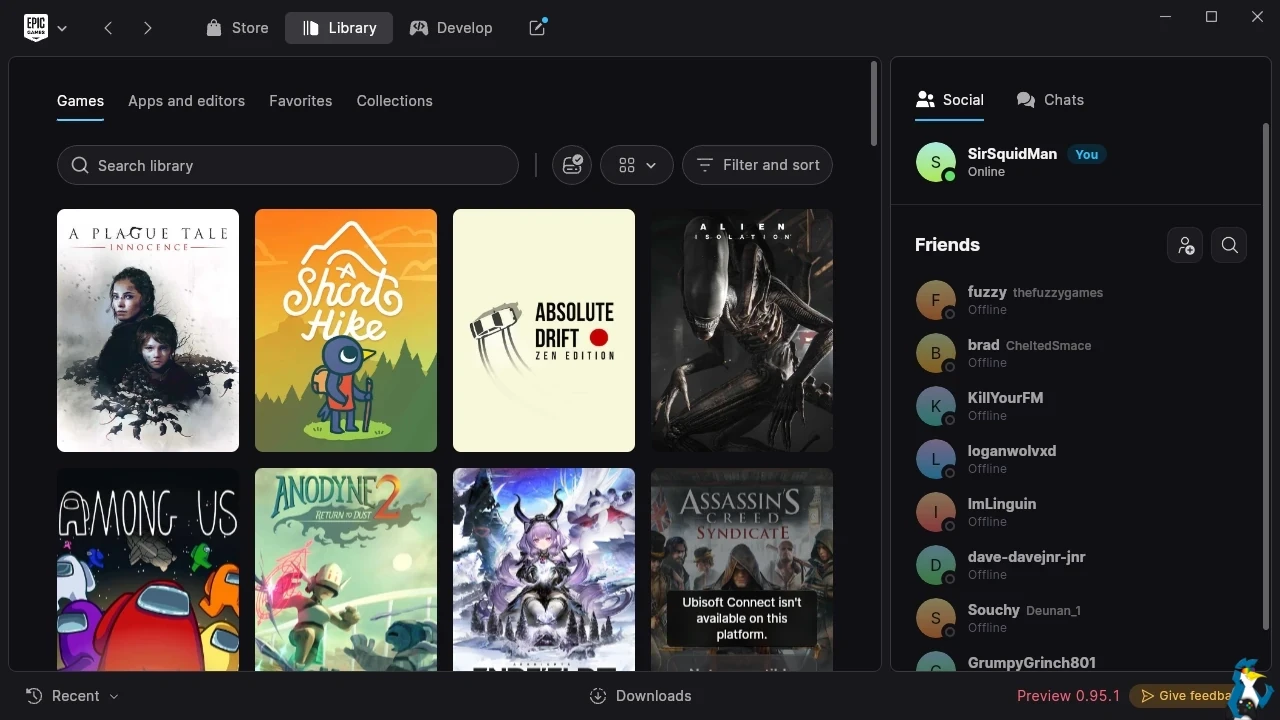
The game will arrive through the Epic Games Launcher once enough Linux distribution maintainers are on board. GamingOnLinux's coverage of the launcher announcement reproduces that condition and reports that the new launcher preview already supports Ubuntu 22.04 LTS or newer, Fedora 43 or newer and Debian 12 or newer. Those are launcher requirements, not confirmation that Fortnite is playable on those distributions today.
What Linux players will need
EAC Linux v2 depends on security features that may require changes to a player's setup. Epic lists a signed kernel and signed kernel modules, TPM 2.0 enabled in the BIOS and Secure Boot using recognized signing keys. Measured Boot, kernel lockdown integrity mode and an active BPF Linux Security Module are also required, while kexec must be disabled. Non-handheld systems need IOMMU enabled, with passthrough disabled.
Epic will initially maintain the list of accepted signing keys and wants to make it open source. Its current list includes keys used by Ubuntu, Fedora, Debian, openSUSE and Universal Blue, among others. A recognized key alone does not establish that a distribution meets every requirement.
Unlike the Windows implementation, the new Linux anti-cheat will not install or load its own kernel module. Players will instead be prompted to install a systemd service that runs only while a protected game is running, alongside eBPF programs and existing Linux security features.
Missing a requirement will produce an error message, not a cheating ban. Epic also says players can keep a separate boot entry configured for protected games without maintaining that configuration for every Linux session.
Steam Deck is still excluded
Epic is talking with Valve and hopes to support Steam Deck in the future, but it has given no timetable. The Linux announcement should not be read as confirmation of local Fortnite support on SteamOS handhelds.
The wider developer rollout also comes later. EAC has supported native Linux clients since 2014 and Windows builds through Wine/Proton since 2021, but developers must opt in. Games using that older support can keep it for broader compatibility or switch to v2 for stronger cheat protection once the new implementation becomes available.